 EN
 AR
 BG
 NL
 FR
 DE
 EL
 IT
 KO
 PL
 PT
 RO
 RU
 ES
 TL
 IW
 ID
 UK
 VI
 TH
 FA
 AF
 MS
 SW
 BE
 UR
 BN
 KM
 LO
 LA
 MI
 MN
 MY
 KK
 MG
 SU
 TG
 UZ
 KY
 XH



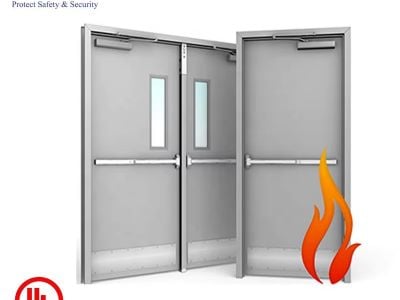
Fire door assemblies are an essential part of any commercial project, providing protection against fire and smoke. Many builders also check that the fire door assemblies have clear labeling and easy maintenance guides, which helps teams plan installation guidance early. In this article, we will discuss the key factors that buyers should consider when purchasing fire door assemblies. The goal is to avoid costly mistakes and help buyers make better purchasing decisions.
Choosing the right fire door assemblies for your project needs
The correct selection of fire door assemblies depends on the type of project and the required security standards, taking into account the following aspects: Consider also how sealing systems and fire resistance affect the choice. You must determine where the doors will be installed. For example, fire doors for hospitals have different standards than those in hotels or schools. Certification: steel fire doors assemblies should be certified by authorities such as UL and CE. Make sure they meet local safety regulations. Design and Size: Doors should fit the dimensions of your project. Incorrect sizing can cause inefficient operations and regulatory compliance issues. Materials: The materials used to construct fire door assemblies should be suitable for the required levels of fire and smoke protection.
Key specifications to consider when sourcing fire door assemblies
As a B2B buyer, it is important to consider the following:following technical specifications. Also, note how sealing systems and fire resistance ratings influence the choices for different sites.
Type of Use. You must determine where the doors will be installed. For example, fire doors for hospitals have different standards than those in hotels or schools. Certification: Fire door assemblies should be certified by authorities such as UL and CE. Make sure they meet local safety regulations. Design and Size: Doors should fit the dimensions of your project. Incorrect sizing can cause inefficient operations and regulatory compliance issues. Materials: The materials used to construct fire door assemblies should be suitable for the required levels of fire and smoke protection.
General Dimensions: The dimensions of the door, including width, height, and thickness, should be checked to ensure it will fit into existing frames. Fire Resistance Level: Fire door assemblies come in various levels of fire door metal resistance, typically stated as 30, 60, or 90 minutes. Choosing the right level depends on the type of building and local government regulations. Sealing Systems: Sealing systems, such as intumescent seals, are essential to ensure that the door is capable of preventing the penetration of smoke and fire. Also check that the hardware works with the sealing system and maintains fire resistance over time. Soundproofing and Other Properties Improvements: If necessary, soundproof or explosion-proof doors may be required, depending on the application.
Common problems with fire door assemblies and their solutions
Many issues can arise with fire door assemblies. Here are some common problems and their solutions:
Improper Installation: Improper installation of doors can lead to improper functionality. Make sure that the doors are installed by qualified technicians who are experienced in this type of work. To prevent common faults, teams should follow installation guidance and arrange training for maintenance staff. Lack of Maintenance: Fire doors require regular inspection and maintenance to ensure their effectiveness. Establish a regular inspection schedule to detect any damage or wear. Leaving Closures: Fire door assemblies should always be closed. If they are left open continuously, their ability to stop fire and smoke is reduced. Consider using automatic closing devices
Understanding the cost factors of fire door assemblies for buyers
Understanding the factors that affect the cost of fire door assemblies is important to making an informed decision. Planning ahead with a clear budget helps with installation guidance and procurement. Here are some key factors:
Material and Workmanship: Doors made from higher quality materials or with special features such as soundproofing or explosion-proofing are more expensive. Higher quality materials often mean a longer service life and better durability. Certification and Testing: Doors with certifications from authorities often carry a higher price due to the costs of testing and quality assurance. Certification and testing can improve safety and help pass audits, but add to upfront costs. Customizations: If custom sizes or designs are required, these can add to the indoor fire door total cost. Ensure that details are clearly agreed upon before production. Customizations may require more planning and longer lead times. Lead Time and Logistics: Delivery time can also affect the cost. If doors need to be rushed, this may result in additional costs. Planning ahead can reduce rush charges and help coordinate delivery.
Installation guidance for fire door assemblies in various applications
Proper installation of fire door assemblies is key to their performance. Providing clear installation guidance helps teams plan ahead. Here are some guidelines for specific applications:
Proper Framing: Ensure that the door frame is strong and meets the requirements for fire rating. A loose frame can allow gaps and reduce fire resistance. Incorrect framing can lead to door failure. Closure Check: The door must close properly and have sealing systems that are effective in preventing smoke and fire. Test the closing and sealing behavior before and after installation. Perform tests before and after installation. Installer Training: Technicians who install fire door assemblies must have adequate knowledge of standards and regulations. Provide training as necessary to ensure proper installation. Ongoing training keeps staff up to date on rules. Regular Inspection: After installation, perform regular inspections to ensure that the door continues to meet safety requirements. A simple log helps show ongoing compliance.
Table of Contents
- Choosing the right fire door assemblies for your project needs
- Key specifications to consider when sourcing fire door assemblies
- Common problems with fire door assemblies and their solutions
- Understanding the cost factors of fire door assemblies for buyers
- Installation guidance for fire door assemblies in various applications


