 EN
 AR
 BG
 NL
 FR
 DE
 EL
 IT
 KO
 PL
 PT
 RO
 RU
 ES
 TL
 IW
 ID
 UK
 VI
 TH
 FA
 AF
 MS
 SW
 BE
 UR
 BN
 KM
 LO
 LA
 MI
 MN
 MY
 KK
 MG
 SU
 TG
 UZ
 KY
 XH



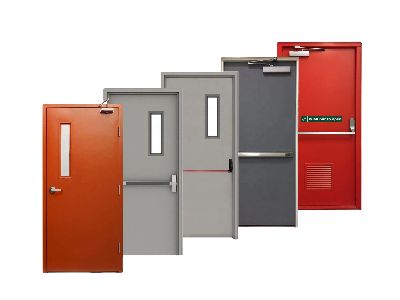
The NFPA 80 Inspection Checklist for Internal Fire Doors is an essential part of complying with fire safety regulations. For example, NFPA 80 guidelines influence how facility teams plan preventive maintenance for metal fire doors across multiple locations. Fire doors are designed to prevent the spread of fire and smoke, so it is essential that they are properly inspected and meet NFPA 80 standards. In addition, a clear understanding helps teams coordinate inspections and scheduling. In this article, we will discuss the key factors that purchasing managers, engineers, and other professionals should consider when selecting and inspecting fire doors to ensure NFPA 80 compliance.
How to choose the right fire doors for NFPA 80 compliance?
Choosing the right fire doors is a critical step in ensuring compliance with NFPA 80. Beyond compliance, the choice also affects occupant safety and building performance. The first thing to consider is the materials used to construct the door. In addition, engineers should also think about how the door's design interacts with seals and hardware for consistent operation. steel fire doors are typically made of steel or wood with a special fire-resistant core. It’s also important to check for the UL or CE label, which indicates that the product has been tested and certified to safety standards. The fire-rated doors should be properly evaluated for durability and compatibility with surrounding walls and hardware. Shanghai Xunzhong Industry Co., Ltd. offers a wide range of fire-rated doors that meet these standards, with the ability to customize according to the unique needs of clients
Where to find a reliable supplier for fire-rated doors?
When looking for a reliable supplier for fire-rated doors, the company's reputation is important. A reliable partner also offers clear warranties and after-sales support to help with long-term maintenance. Companies with experience and certifications, such as UL and CE, should be considered to ensure product quality. Good relationships with a manufacturer facilitate easier customization and faster response to design changes. Shanghai Xunzhong Industry Co., Ltd. is a well-known manufacturer with over 20 years of experience in the fire-rated doors industry, offering fast delivery from their large factory.
Comparison of quality standards in NFPA 80 fire door products
Comparing quality standards for fire doors requires an understanding of the technical aspects of the product. In practice, teams compare door assemblies, frames, and hardware to judge overall reliability and cost efficiency. NFPA 80 sets out performance requirements, such as testing the door’s fire resistance and its ability to prevent smoke leakage. Independent labs verify fire resistance ratings and smoke control features to ensure consistent NFPA 80 compliance. Test results from third-party laboratories should be reviewed to ensure compliance with these standards.
Fire doors from Shanghai Xunzhong Industry Co., Ltd. are certified to these standards, providing clients with the assurance that their products have been tested and proven. Choosing the right combination of core material, metal skin, and insulation affects durability and maintenance costs. It is also important to check the details regarding materials and manufacturing processes, as these have a significant impact on the overall quality of the product. Manufacturers' documentation should detail installation requirements and testing methods.
Installation Guide for NFPA 80 Fire Doors in Various Settings
Proper installation of NFPA 80 fire doors is critical to ensuring their effectiveness. A thorough site assessment helps ensure compatibility with building design and daily workflows. The manufacturer's instructions must be followed, including required dimensions and the proper installation of hardware such as hinges and locks. Local codes may also require coordination with building management and code officials. Fire doors must be properly positioned to ensure proper sealing and function. In busy facilities, these doors should be labeled for quick identification by staff.
For settings such as schools and hospitals, there may be specific installation requirements. In environments like schools and hospitals, staff training on door operation can support safety during emergencies. For example, hollow metal fire doors in hallways must be easy to open and close while maintaining their fire-resistance. Ongoing maintenance checks help ensure hinges, seals, and gaps stay in their intended state. Having professional installers help prevent installation errors that could pose a safety risk. Regular audits of door alignment help maintain consistent performance.
Common problems of fire doors and solutions to follow:
Many common problems can affect the performance of fire doors, such as improper installation, poor sealing, or door damage. Regular checks help catch misalignment, gasket degradation, and hinge wear early. These problems can result in non-compliance with NFPA 80 and can pose a safety hazard. This proactive approach reduces the risk of smoke leakage and fire spread. To address these issues, it is important to have regular inspections and maintenance. Scheduling routine servicing also supports consistent compliance.
Suppliers such as Shanghai Xunzhong Industry Co., Ltd. can provide maintenance and inspection services to ensure that fire doors are in good condition. A good service partner can provide scheduled testing, lubrication, and part replacements. Repairing or replacing damaged parts is essential to maintaining compliance with safety standards. Users should also consider training staff on proper maintenance and inspection of fire doors. This helps minimize downtime during work on a live building.
With the right information and following these recommendations, businesses can achieve a higher level of safety and compliance with NFPA 80 for their internal fire doors. Regular staff training and documented maintenance plans help sustain NFPA 80 compliance.


